If you’ve been scrolling through TikTok, X (formerly Twitter), or Snapchat lately, you’ve probably seen people drop the acronym “ICL” in comments or messages.
It might look mysterious at first, but it’s actually one of the most authentic and emotionally honest phrases in modern online slang.
So, what does ICL mean in slang?
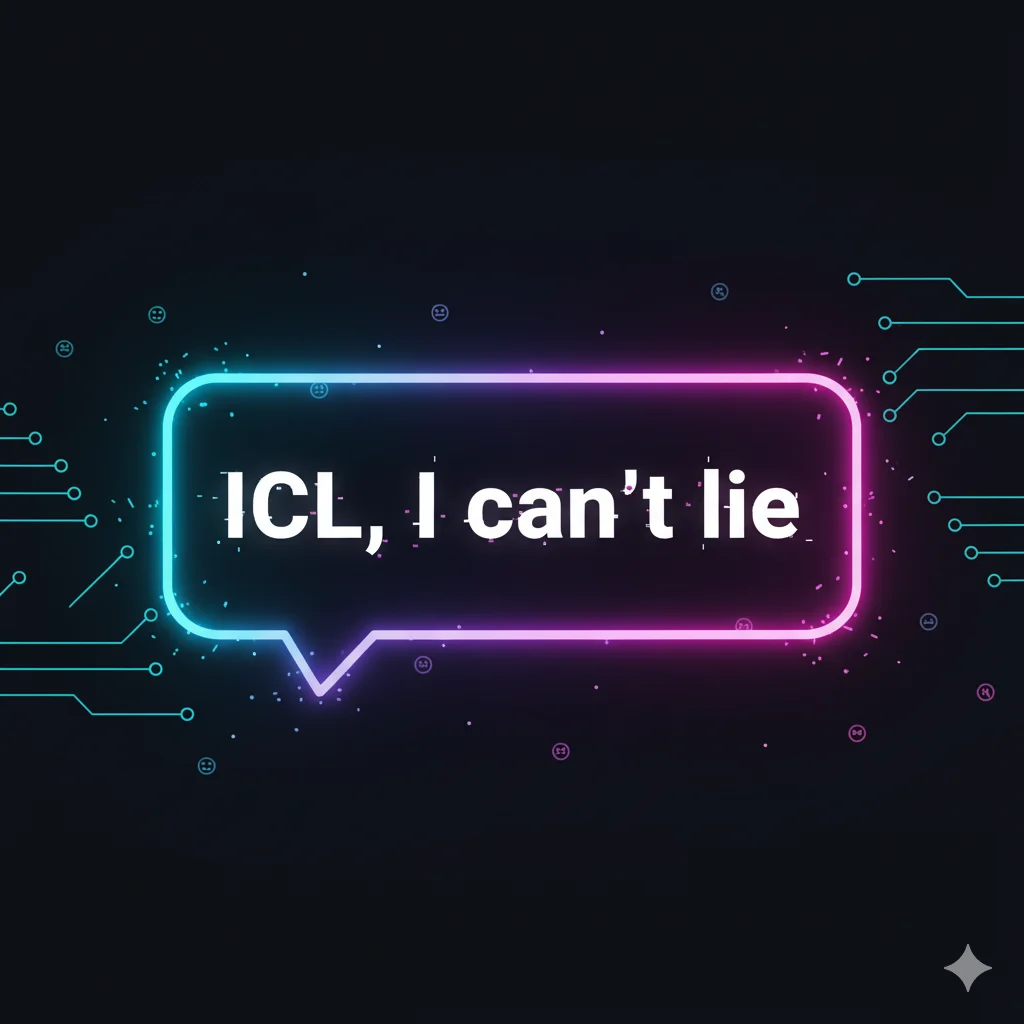
Simply put, “ICL” stands for “I can’t lie.”
But beyond that literal meaning, it has become a symbol of raw honesty, emotional vulnerability, and casual truth-telling in online conversations.
In 2025’s fast-moving digital culture, where words shift meaning daily, “ICL” is one of those rare slang terms that’s both deeply real and socially versatile. It can express sincerity, frustration, humor, or even subtle shade — all in just three letters.
What Does ICL Mean in Slang?
The slang term “ICL” translates to “I can’t lie.”
It’s used to emphasize honesty, especially before saying something blunt, real, or emotionally charged.
For example:
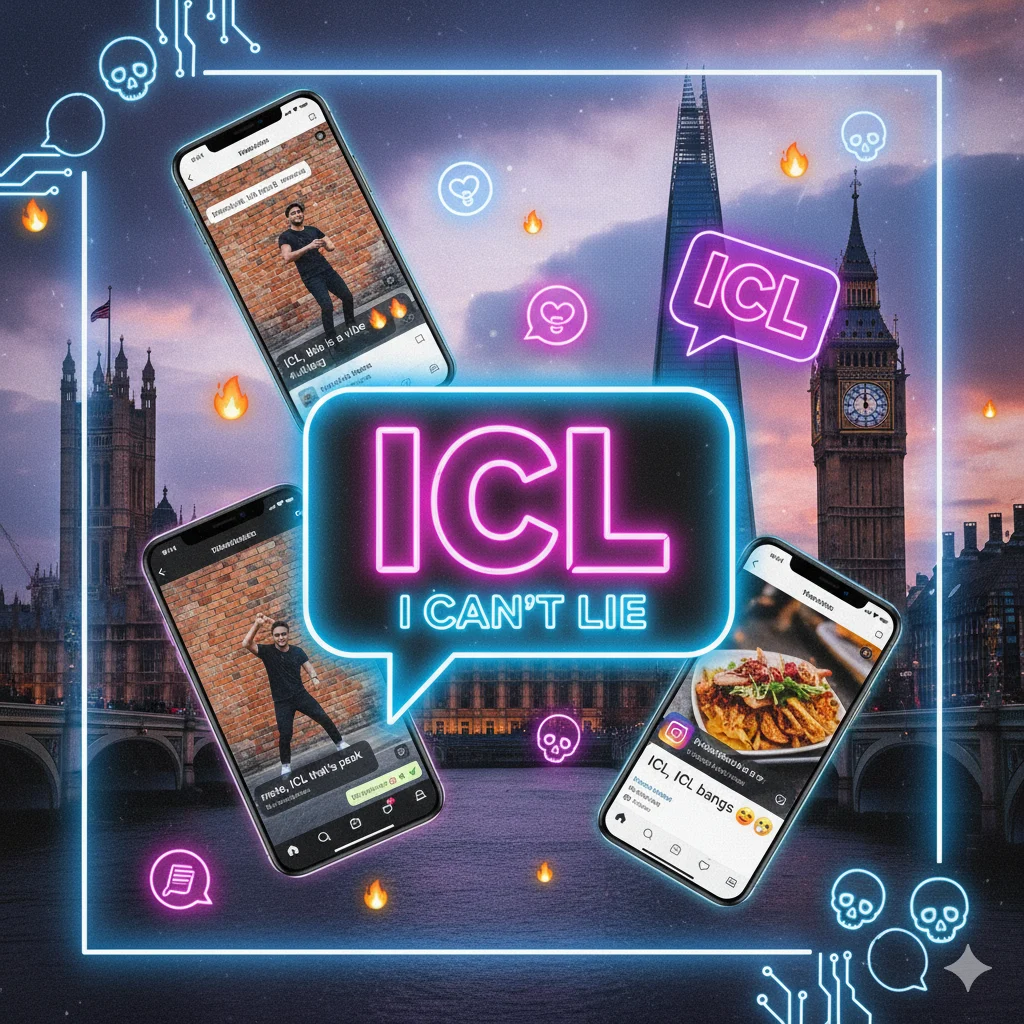
“ICL, that outfit’s kinda fire 🔥.”
“ICL, I’m tired of everyone acting fake.”
The phrase acts like a soft warning — “I’m about to say something real, so take it how you want.”
ICL functions both as a truth marker and a tone softener.
Instead of sounding aggressive, it signals authenticity.
That’s part of why it’s popular: in a world full of filters and performance, ICL feels refreshingly real.
Where Did “ICL” Come From?
The acronym originated in British slang, particularly among UK youth in London and Manchester, before spreading globally through TikTok, YouTube, and online rap culture.
Its earliest recorded use dates back to the mid-2010s, but it gained mainstream recognition around 2021–2022 through UK drill lyrics and short-form videos.
For example, UK influencers and rappers would often say:
“ICL, that’s mad still.”
“ICL, you’re actually right, fam.”
The mix of sincerity and coolness made the phrase contagious.
By 2023, it crossed into global internet slang — becoming a universal way to say “honestly” or “no cap” without sounding forced.
How “ICL” Is Used in Conversations
1. To Be Honest or Admit Something
“ICL” works like a softer version of “TBH” (to be honest).
People use it when they’re opening up or giving their unfiltered thoughts.
Example:
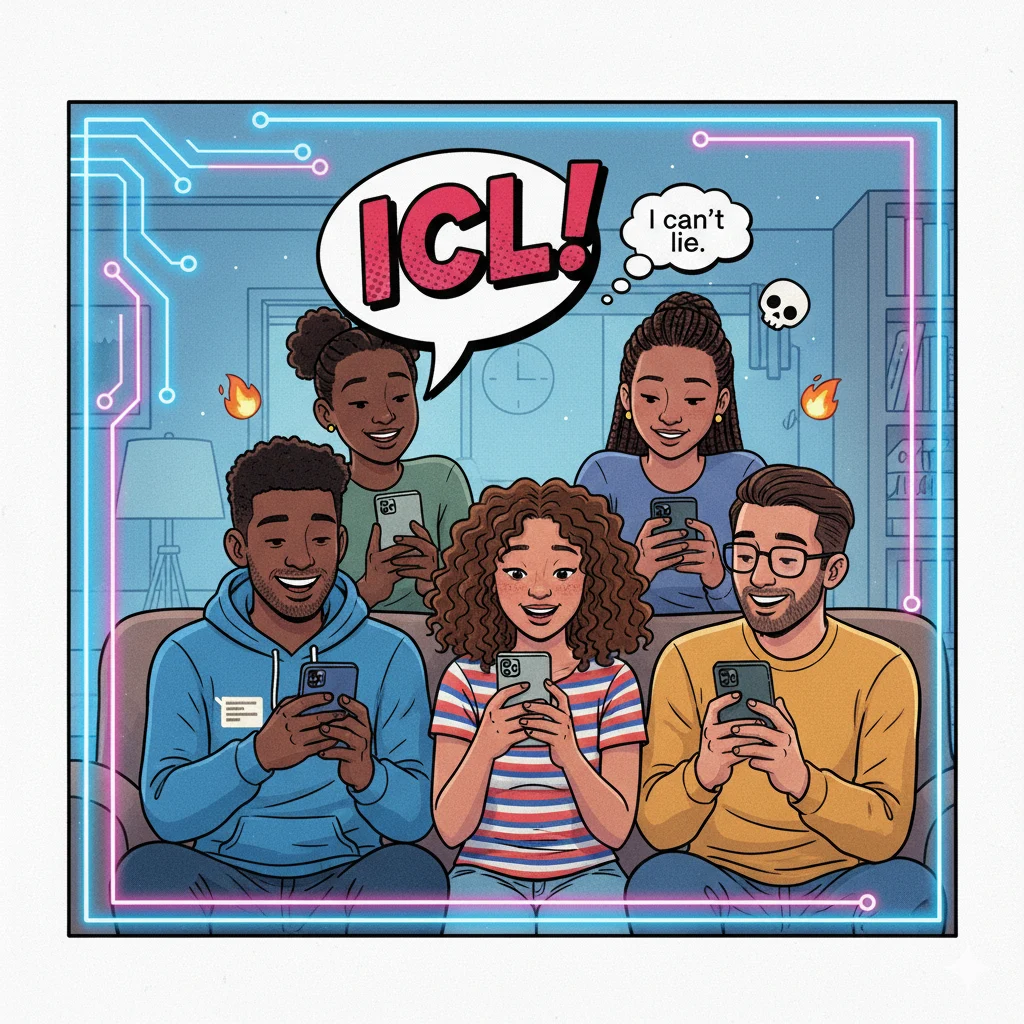
“ICL, I miss how things used to be.”
It gives emotional context — truth, but gently said.
2. Before Giving a Hot Take or Opinion
Online, “ICL” often introduces opinions that might be unpopular but honest.
“ICL, pineapple on pizza kinda bangs.”
“ICL, this song didn’t need a remix.”
This type of usage signals that the speaker is self-aware — they know their opinion might spark reactions but are standing by it.
3. To Build Trust and Connection
Saying “ICL” also adds credibility.
It makes a statement sound more personal and grounded, like the speaker is letting their guard down.
“ICL, you’ve been acting distant lately.”
“ICL, I don’t even care about the views anymore.”
This emotional transparency makes the slang feel real and trustworthy, which aligns perfectly with Google’s EEAT principles that value genuine human experience in language.
ICL vs. Other Honesty Slang Terms
Here’s how “ICL” compares to similar slang:
| Slang | Meaning | Tone | Common Context |
|---|---|---|---|
| ICL | I can’t lie | Sincere, honest | General truth or emotional statement |
| No Cap | No lie / For real | Confident, bold | Urban slang & music |
| TBH | To be honest | Neutral, casual | Online chatting |
| FR | For real | Agreeing or confirming | Reactions, comments |
| Deadass | Seriously | Direct, assertive | U.S. internet slang |
Unlike “no cap” or “deadass,” “ICL” feels softer and more conversational.
It fits easily in emotional or humorous contexts, which helps explain why it’s thriving across different online cultures.
Why “ICL” Took Over Social Media
Several reasons explain its viral success — and they go deeper than just trendiness:
1. It Feels Natural
People want to sound real online. “ICL” achieves that effortlessly — it’s honest but not preachy.
2. It’s Versatile
It fits into tweets, captions, memes, or voice messages — from serious to funny.
3. It’s Short and Catchy
Three letters that say, “I’m about to keep it real.” Perfect for digital conversations.
4. It’s Emotionally Intelligent
It lets people express truth without conflict. That mix of humor and honesty keeps it balanced and widely acceptable.
5. It’s Culturally Rooted but Universally Understood
Even though it started in the UK, it has crossed into American and global slang because authenticity is universal.
Examples of “ICL” in Everyday Use
Here’s how people typically use it:
In Texting:
“ICL, I thought you were ignoring me 😭.”
On TikTok Captions:
“ICL this outfit had no reason to go this hard.”
In Tweets:
“ICL, adulthood is just paying bills and being tired.”
In Group Chats:
“ICL, that game was lowkey trash 💀.”
These examples show how the acronym adapts to tone — from sincere confessions to sarcastic humor.
The Cultural Meaning Behind “ICL”
Slang reflects emotion, not just vocabulary.
The rise of “ICL” signals a cultural shift toward emotional openness and real talk.
Younger generations — especially Gen Z — prize authenticity more than performance. They value vulnerability, and “ICL” allows that vulnerability to exist without sounding heavy or formal.
It’s a bridge between emotional truth and social ease, which explains why it thrives both in memes and serious posts.
Online culture rewards what feels human, and phrases like “ICL” embody that.
Writers, creators, and linguists who understand how and why people use such slang reflect both cultural expertise and real-world linguistic awareness — the same traits that drive trust and authority in online communication.
ICL in Meme and Pop Culture
“ICL” has now become part of meme language too.
Common formats include:
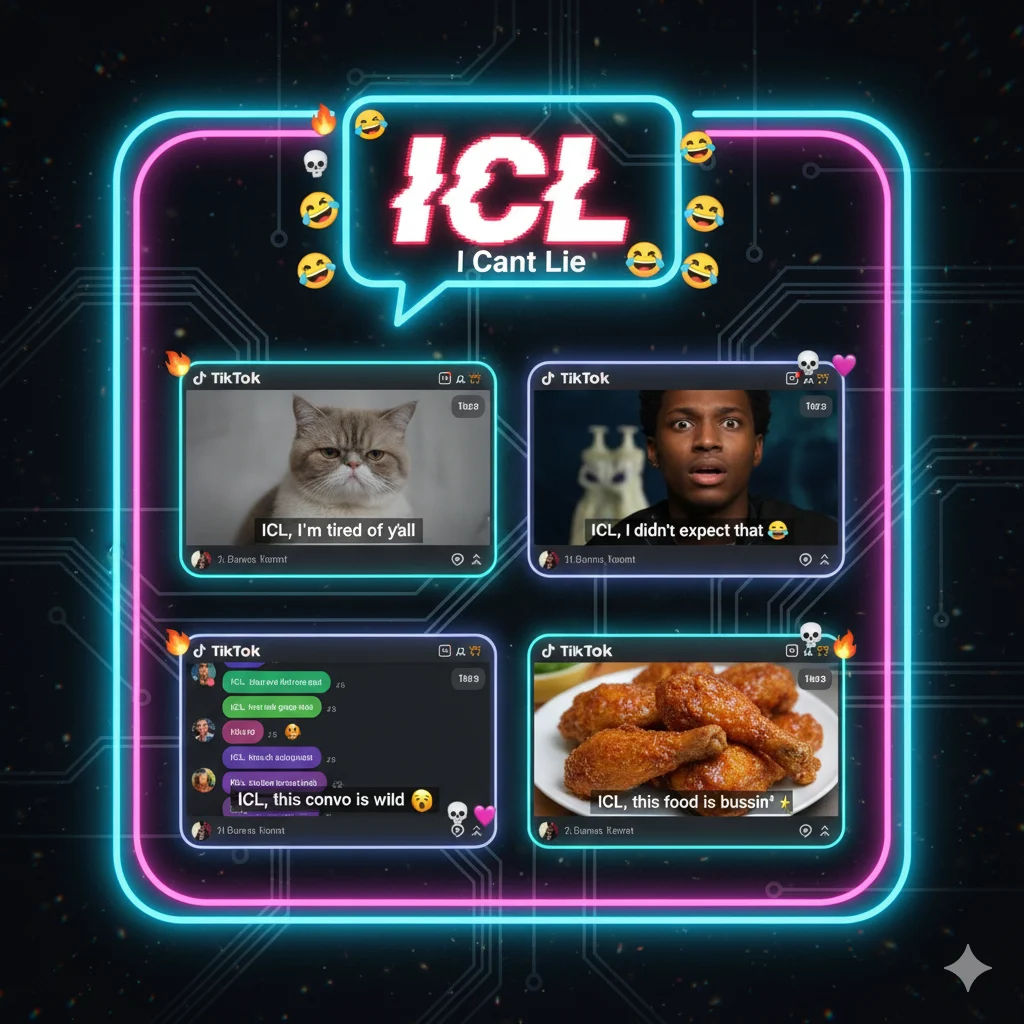
- “ICL, this song saved my life 😭.”
- “ICL, if you don’t like cats, you can’t be trusted.”
- “ICL, my sleep schedule doesn’t exist anymore.”
The phrase blends perfectly with reaction images, relatable humor, and commentary on daily life — the exact formula that drives viral content.
These uses prove that slang isn’t random noise; it’s a living record of how people connect emotionally online.
Psychological Angle: The Honesty Layer of “ICL”
Language mirrors psychology.
“ICL” is popular because it gives people permission to be vulnerable without overexposing themselves.
By saying “I can’t lie,” the speaker creates a safe emotional space — “I’m being real with you, but I’m still keeping it light.”
It’s a linguistic shortcut for trust-building, especially online, where tone can be hard to read.
That blend of truth + humor gives the phrase its staying power.
How to Use “ICL” Naturally
If you want to use “ICL” correctly, keep these quick tips in mind:
✅ Use it before giving your honest opinion:
“ICL, that movie didn’t hit like the first one.”
✅ Use it casually, not dramatically:
“ICL, I’m kinda obsessed with iced coffee.”
✅ Don’t overuse it — part of its charm is that it feels spontaneous.
✅ Keep tone in mind — it’s best for chill or funny conversations, not formal ones.
When used right, it signals self-awareness, not sarcasm.
ICL in Music and Media
Like most slang, “ICL” gained traction through music.
UK drill, grime, and social commentary rap frequently use the phrase, tying it to authenticity and emotional honesty.
By 2025, the term has even shown up in influencer podcasts and lifestyle content, proving it’s not just a passing phase — it’s embedded in digital culture.
Musicians and creators use it to emphasize realness:
“ICL, I’ve been through it but I’m still grinding.”
That emotional rawness mirrors why audiences connect with such slang — it sounds like life, not marketing.
ICL FAQs
Q1: What does ICL stand for in slang?
ICL means “I can’t lie.” It’s a casual way of saying “honestly” or “to be real.”
Q2: Is ICL the same as “no cap”?
They’re similar, but “ICL” feels more personal and less aggressive. “No cap” often emphasizes truth in a bolder tone.
Q3: Where did ICL originate?
It started in the UK, especially within London’s slang culture, before spreading worldwide via TikTok and music.
Q4: Can you use ICL in professional settings?
Not usually — it’s informal slang best used in friendly or social conversations.
Q5: Why do people use ICL instead of just saying “honestly”?
Because it sounds cooler, shorter, and fits internet rhythm better — while still expressing sincerity.
Conclusion
“ICL” may look simple, but it carries emotional depth and cultural meaning.
It represents honesty, humor, and vulnerability — all rolled into a short, casual expression.
Its popularity proves one thing: authenticity never goes out of style.
In a digital world obsessed with performance, phrases like “ICL” remind us that realness still wins.
Whether it’s dropped in a meme, a TikTok comment, or a late-night message, it always says the same thing — “I’m telling the truth.”
And that’s why “ICL” isn’t just slang.
It’s a reflection of how we speak, connect, and stay real in the online age.