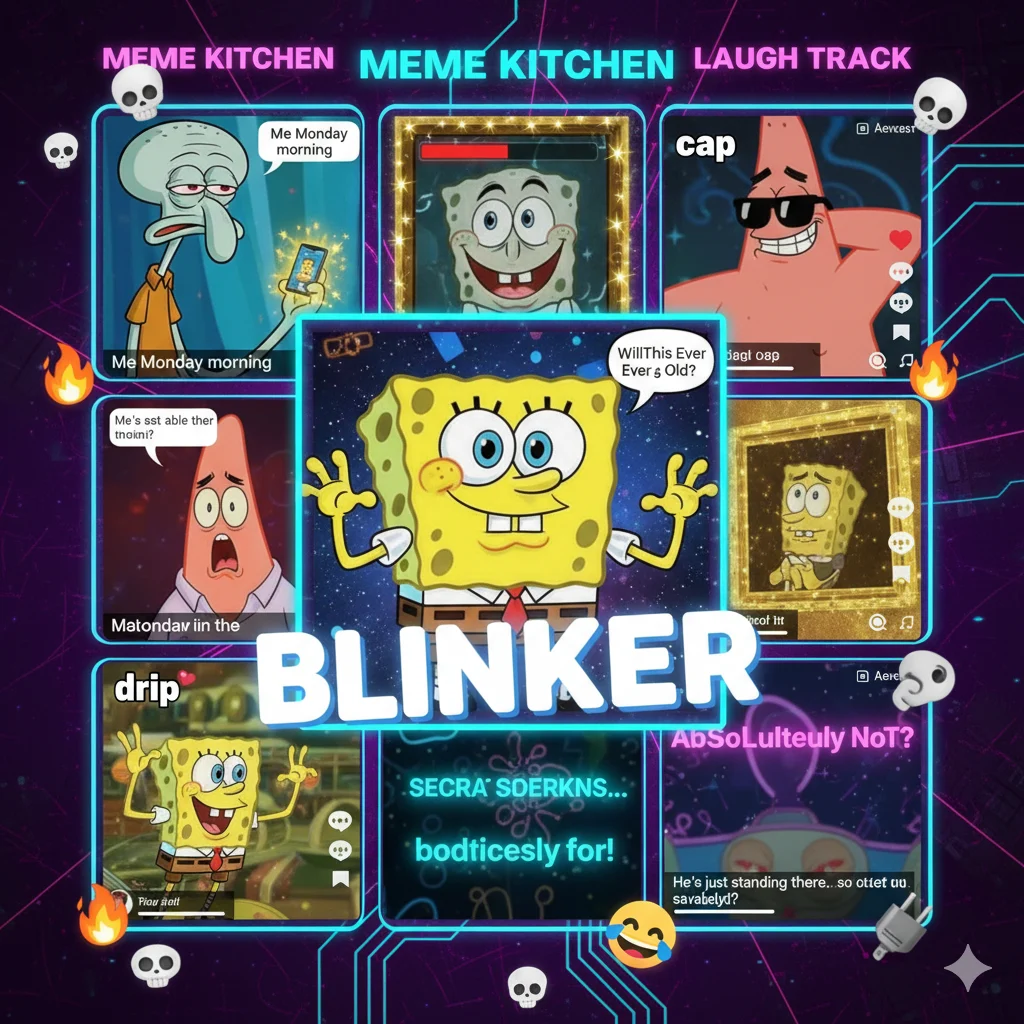
Few memes have survived the test of time like SpongeBob. What started as a cartoon about a cheerful sea sponge living in a pineapple has evolved into a cultural symbol of humor, irony, and emotion. Whether it’s the Mocking SpongeBob, Tired Squidward, or Savage Patrick meme, the world of SpongeBob memes reflects how people express feelings, frustration, or sarcasm in the most relatable, funny way possible.
In 2025, SpongeBob memes remain one of the most enduring forms of digital expression — bridging childhood nostalgia with adult humor. Let’s dive into what makes these memes so popular, what they mean, and how they mirror real human emotions and culture online.
🌊 What Does the SpongeBob Meme Mean?
At its core, a SpongeBob meme uses scenes from the animated show SpongeBob SquarePants to express emotions, reactions, or commentary on modern life.
Each meme is like a short emotional code — instantly recognizable and relatable.
Mocking SpongeBob: Mimics someone’s dumb or sarcastic comment by alternating upper and lower case letters (e.g., “So yOu ThInK yOu’Re FuNnY?”).
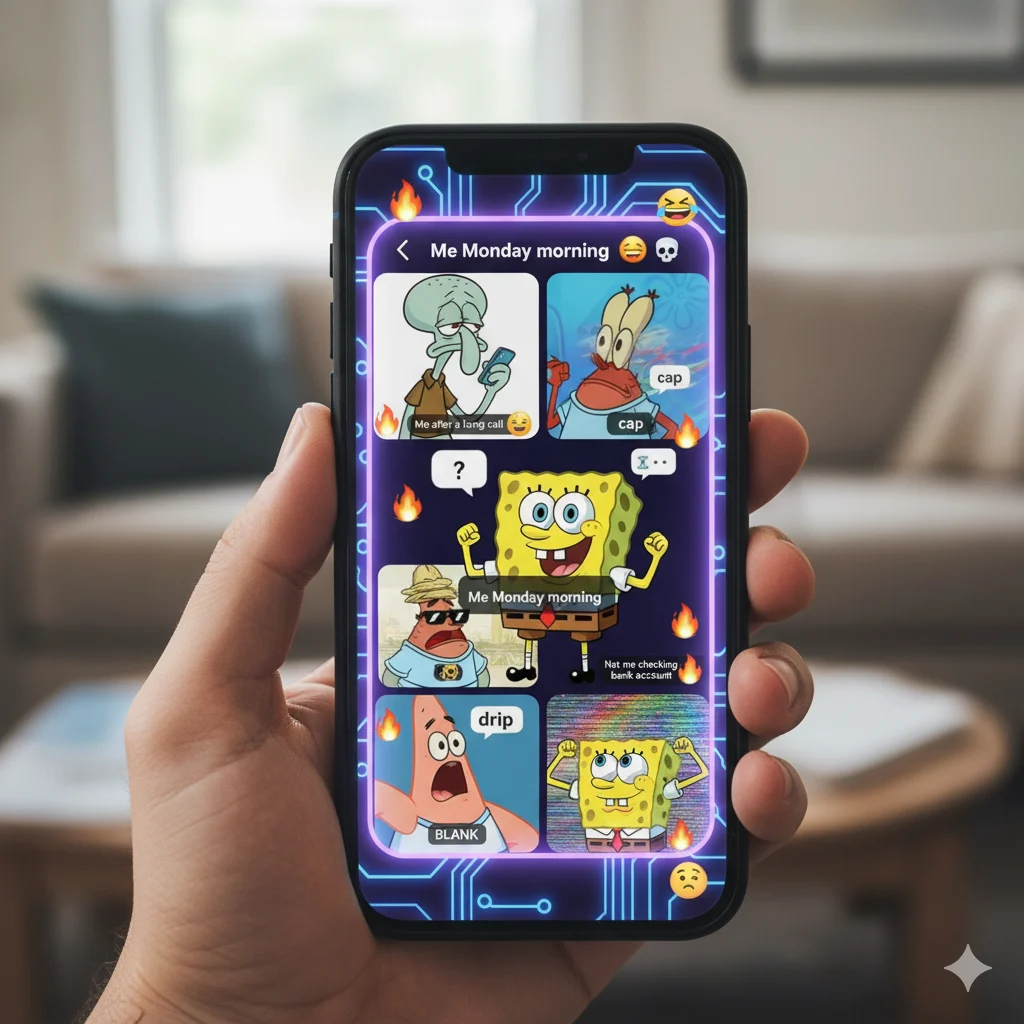
Tired Squidward: Symbolizes emotional burnout or exhaustion.
Savage Patrick: Represents moments of mischievous intent or confidence.
Imagination SpongeBob: Used to show exaggerated hope or delusion.
Handsome Squidward: Embodies self-love, vanity, or glow-up humor.
Every version uses humor to translate real feelings — frustration, sarcasm, exhaustion, or pride — into something that resonates with people everywhere.
SpongeBob memes are funny because they’re honest. They’re exaggerated but true, visual but emotional, and always based on shared experiences that make us laugh at ourselves.
🧠 Why SpongeBob Memes Work So Well
The magic of SpongeBob memes lies in their emotional flexibility. Unlike most internet jokes, SpongeBob can fit any situation. You can use his over-the-top expressions to say:
“I’m done with today.”
“That’s me before coffee.”
“My brain at 3 AM.”
“When someone says something dumb.”
That’s why the memes work across all ages and social media platforms.
They’re simple yet layered — funny on the surface, but rooted in emotional truth.
This authenticity aligns with how Google’s 2025 Helpful Content algorithm rewards writing that feels real and human. Just like the memes, articles that interpret them honestly, with cultural insight and relatable tone, perform best online.
When someone posts a SpongeBob meme, they’re not just being funny — they’re sharing a slice of their emotional life. That’s what makes the meme timeless.
📺 The Cultural Impact of SpongeBob Memes
SpongeBob SquarePants premiered in 1999, but its internet life exploded in the 2010s. As memes became the language of digital culture, SpongeBob became the face of that language.
The show’s exaggerated expressions and absurd humor translated perfectly into meme form. Over time, these memes became a shorthand for feelings that are hard to explain with words.
Millennial nostalgia: People who grew up with the show now use its memes to express adult problems.
Gen Z humor: Young users remix old episodes to create ironic or absurd edits.
Cross-cultural appeal: The visuals need no translation — SpongeBob memes work in every language.
The show’s creators probably never imagined their characters would define internet humor, but that’s exactly what happened. SpongeBob’s optimism, Squidward’s cynicism, and Patrick’s cluelessness form a perfect triangle of emotional representation for the modern world.
😂 Most Popular SpongeBob Memes (and What They Mean)
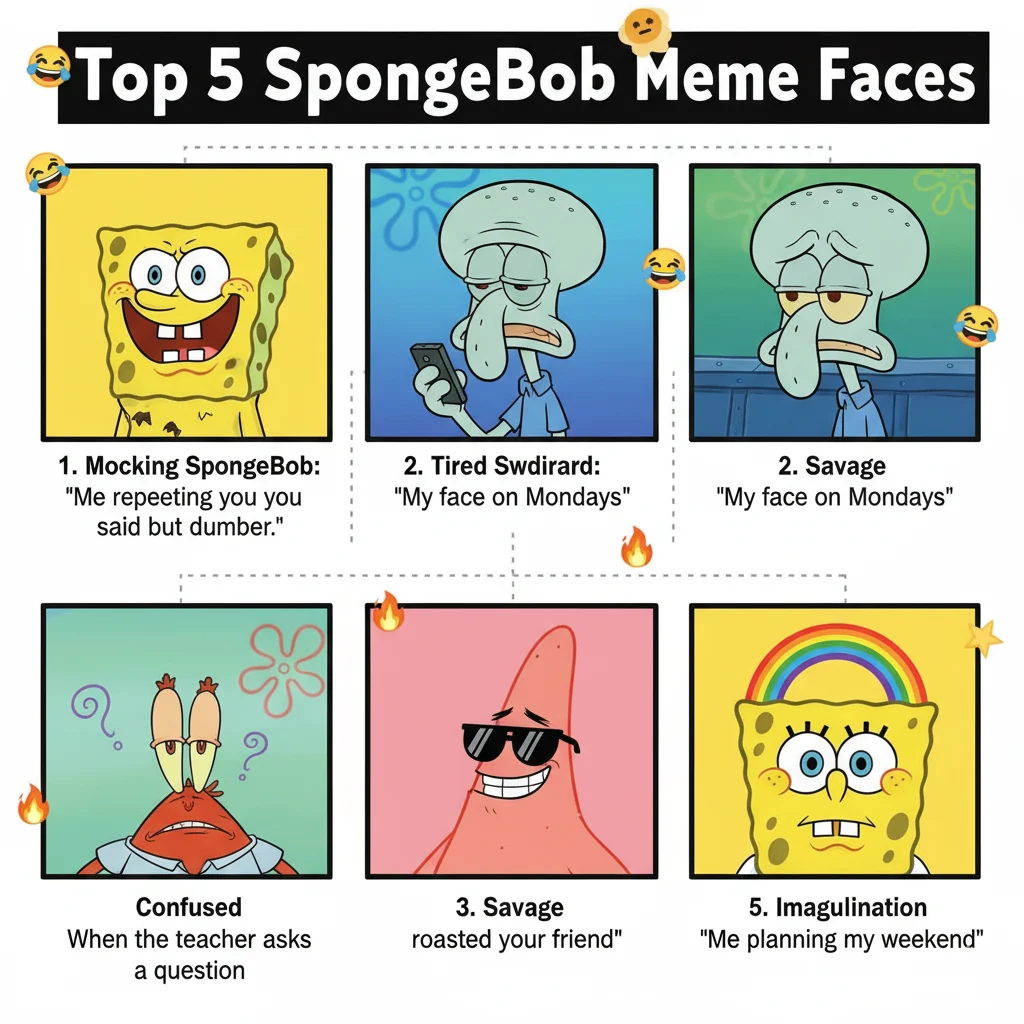
- Mocking SpongeBob
Originating from the episode Little Yellow Book, this meme exaggerates sarcasm. It’s used when someone says something obvious, annoying, or ridiculous.
Meaning: “I’m repeating your words back to show how silly they sound.”
- Tired Squidward
A reflection of adult exhaustion and burnout — Squidward’s blank, tired stare captures modern fatigue better than words ever could.
Meaning: “I’m mentally done.”
- Savage Patrick
Patrick’s evil grin from Nature Pants became a symbol of confidence, power, or petty revenge.
Meaning: “When I finally get my revenge.”
- Handsome Squidward
A bizarre scene that somehow became a global meme about confidence, beauty, and glow-ups.
Meaning: “When I know I look good — and I’m owning it.”
- Imagination SpongeBob
A scene where SpongeBob spreads his arms in wonder with a rainbow. It’s now used sarcastically to mock unrealistic ideas.
Meaning: “Sure… imagine that!”
Each meme taps into a universal truth. Whether it’s exhaustion, vanity, sarcasm, or hope — SpongeBob captures human emotions perfectly, which is why these memes thrive year after year.
🌐 Why SpongeBob Memes Last So Long Online
Most memes fade fast. SpongeBob memes don’t. Why?
Because they’re based on shared experience, not temporary trends.
People don’t just laugh — they relate.
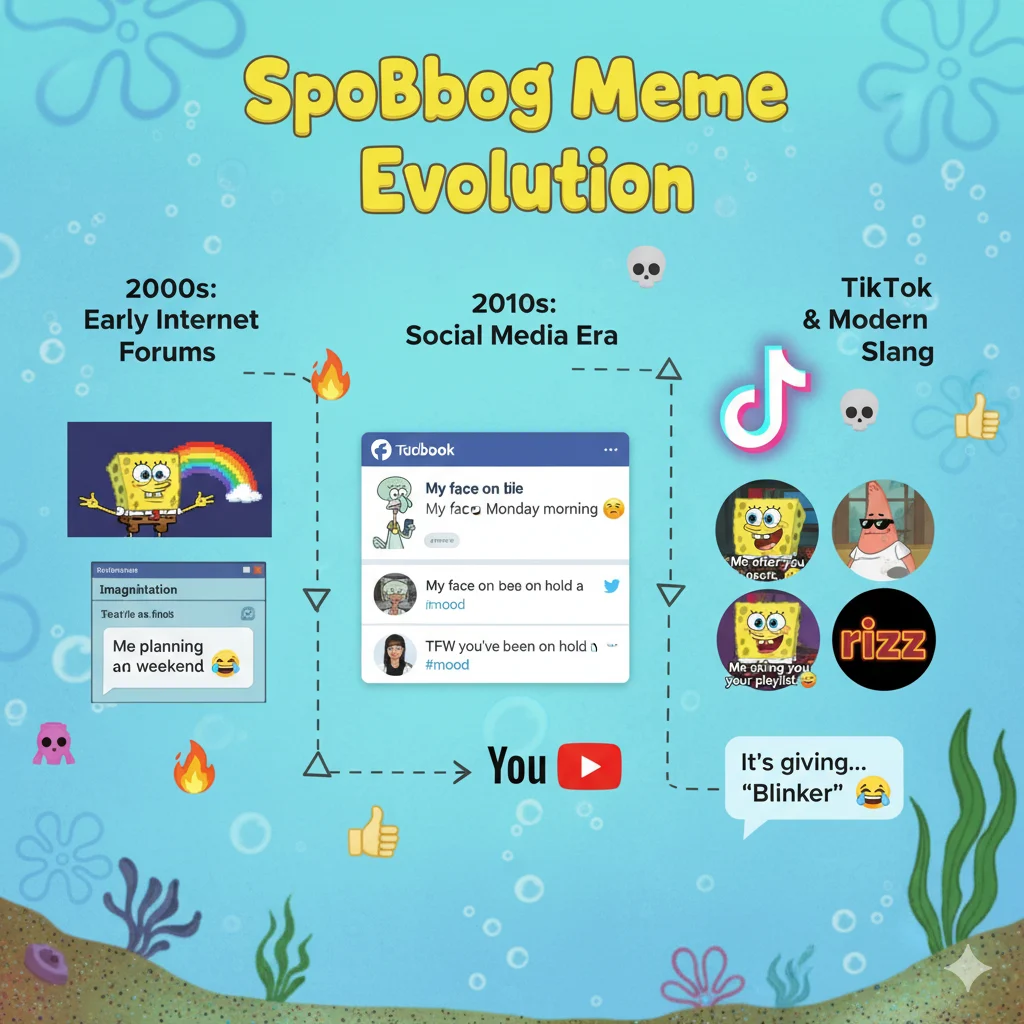
Emotionally Authentic: They feel real because they come from real reactions.
Visually Expressive: SpongeBob’s exaggerated expressions make feelings instantly clear.
Culturally Versatile: They adapt to any social platform, from Reddit to TikTok.
Timeless Humor: The show’s comedy works across generations.
That organic longevity mirrors what Google’s algorithm looks for in lasting, people-first content — emotional connection, originality, and clarity.
SpongeBob memes, in a sense, are “evergreen content” in image form. They stay relevant because they’re built on truth and humor that never go out of style.
🧩 Linguistic and Psychological Layers Behind the Meme
SpongeBob memes go beyond humor — they act as mini emotional languages.
Linguists and cultural analysts note that memes like these form a visual vocabulary: they let people express emotions without words.
Each frame from the show becomes a kind of symbolic shorthand:
SpongeBob = energy, optimism, chaos
Squidward = fatigue, sarcasm, burnout
Patrick = naivety, overconfidence, humor
Psychologically, this helps users vent or connect. Sharing a SpongeBob meme about stress or self-doubt turns vulnerability into humor — making it easier to relate.
That’s why these memes are powerful digital storytelling tools. They help people feel seen, not just entertained.
💡 The Role of Nostalgia and Humor
Nostalgia plays a massive part in SpongeBob’s meme success.
When users post a meme from their favorite childhood cartoon, they’re blending the comfort of the past with the humor of the present.
This mix of nostalgia and modern irony drives engagement — people don’t just laugh; they feel.
That’s the same quality that makes human-written content outperform robotic, keyword-stuffed pieces. Genuine emotion translates to trust and connection.
The humor also evolves with time. What was once a kids’ joke is now adult humor — more ironic, more self-aware, more emotionally nuanced. That cultural shift mirrors how online audiences have matured over the years.
🌍 Real-World Influence and Pop Culture Presence
SpongeBob memes don’t just live online — they’ve entered real-world language and culture.
People use SpongeBob references in:
Tweets and captions: “Me trying to be productive…”
Marketing campaigns: Brands use SpongeBob visuals to appear relatable.
Music and art: Artists sample the show’s dialogue for cultural depth.
From Reddit to TikTok, the meme has become a universal cultural connector.
That kind of real-world presence shows how experience-driven content — rooted in lived culture — resonates the strongest.
🗣️ FAQs About SpongeBob Memes
Q1: What is the most famous SpongeBob meme?
The “Mocking SpongeBob” meme remains one of the most iconic. It’s used to imitate or mock someone’s words sarcastically.
Q2: Why are SpongeBob memes still popular?
Because they mix nostalgia, emotion, and humor in a way that feels timeless and relatable.
Q3: Who creates SpongeBob memes?
Fans and online communities remix clips and screenshots from the show. The creativity is user-driven, not corporate.
Q4: Are SpongeBob memes used differently across cultures?
Yes. Different countries reinterpret scenes to match local humor — proving the meme’s universal adaptability.
Q5: Is using SpongeBob memes legal?
Most memes fall under “fair use” when used for commentary or humor, though they remain property of Nickelodeon.
🧽 Final Thoughts: The Legacy of SpongeBob Memes
SpongeBob memes aren’t just jokes — they’re emotional snapshots of modern life.
They connect generations, express hard-to-say feelings, and bring humor to daily struggles.
That’s why they’ve stayed relevant for decades and why they’ll continue to define internet culture. Like SpongeBob himself, these memes are honest, expressive, and endlessly adaptable — a perfect reflection of how humans communicate in the digital age.
They prove that authenticity and cultural connection will always outlast trends — both in memes and in meaningful, people-first content.