If you’ve been scrolling through TikTok, Instagram, or Twitter lately, you might’ve come across someone saying something like,
“He’s a Fein for those sneakers.”
or
“She a coffee fein fr.”
It’s catchy, mysterious, and maybe a little confusing. So — what does “Fein” actually mean in slang?
Let’s dive deep into the meaning, origin, and cultural context behind this popular term that’s taking over Gen Z language.
💬 What Does “Fein” Mean in Slang?
In modern slang, “Fein” is a variation of the word “fiend,” meaning someone who’s obsessed with or addicted to something.
It can describe anything — from a person who loves working out, to someone always chasing new music drops or caffeine hits.
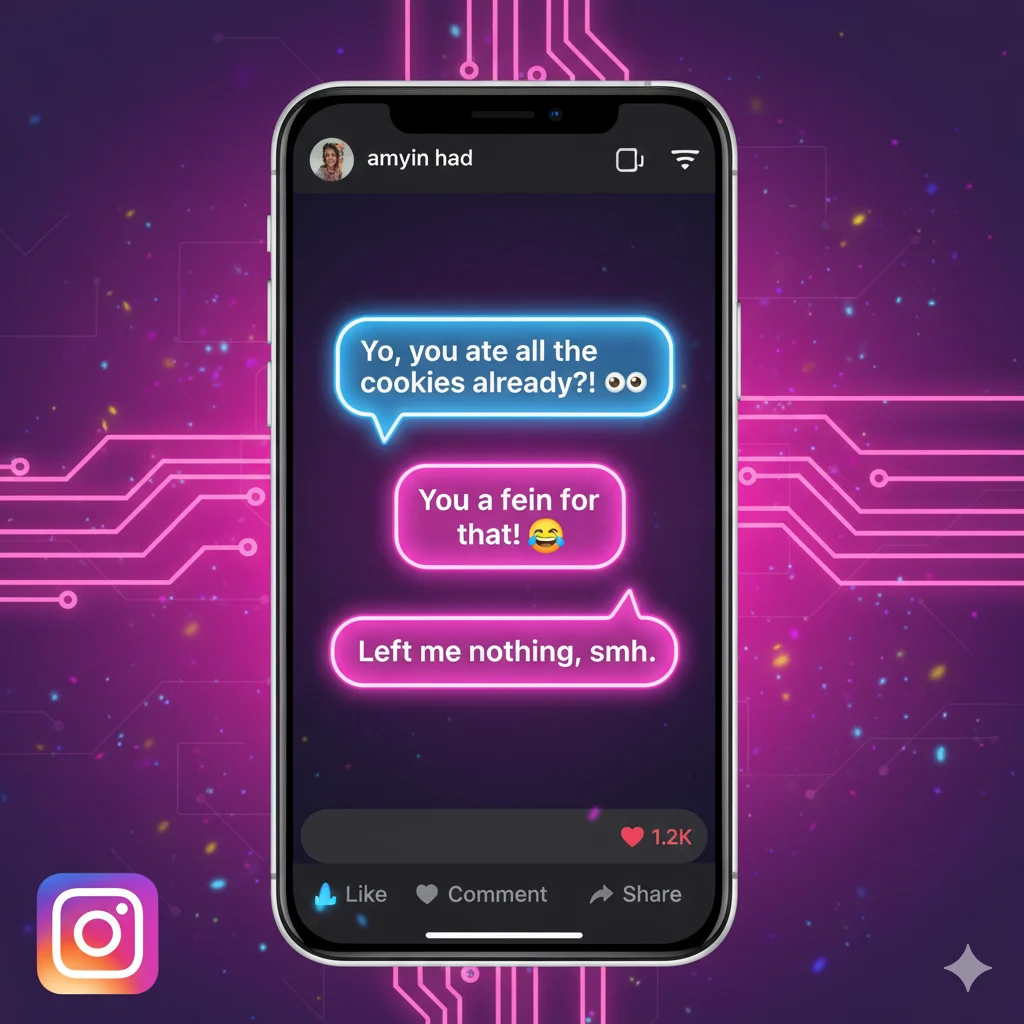
🔹 Examples:
- “Bro’s a Fein for the gym.” → He’s obsessed with working out.
- “She a Fein for iced coffee.” → She drinks it all the time.
- “They a Fein for validation.” → Always chasing attention.
Essentially, calling someone a “Fein” is playful, sometimes teasing, but rarely mean-spirited. It means the person goes all in on whatever they love.
🧩 The Origin of “Fein”
The slang term Fein traces back to “fiend” — originally meaning a person obsessed with something, often in a negative sense (like a drug fiend).
But as language evolved — especially through AAVE (African American Vernacular English) — the word shifted into casual and humorous use.
By the time it hit social media, especially Twitter, TikTok, and hip-hop lyrics, “fiend” morphed into “fein” — a spelling that reflected how people actually pronounced it.
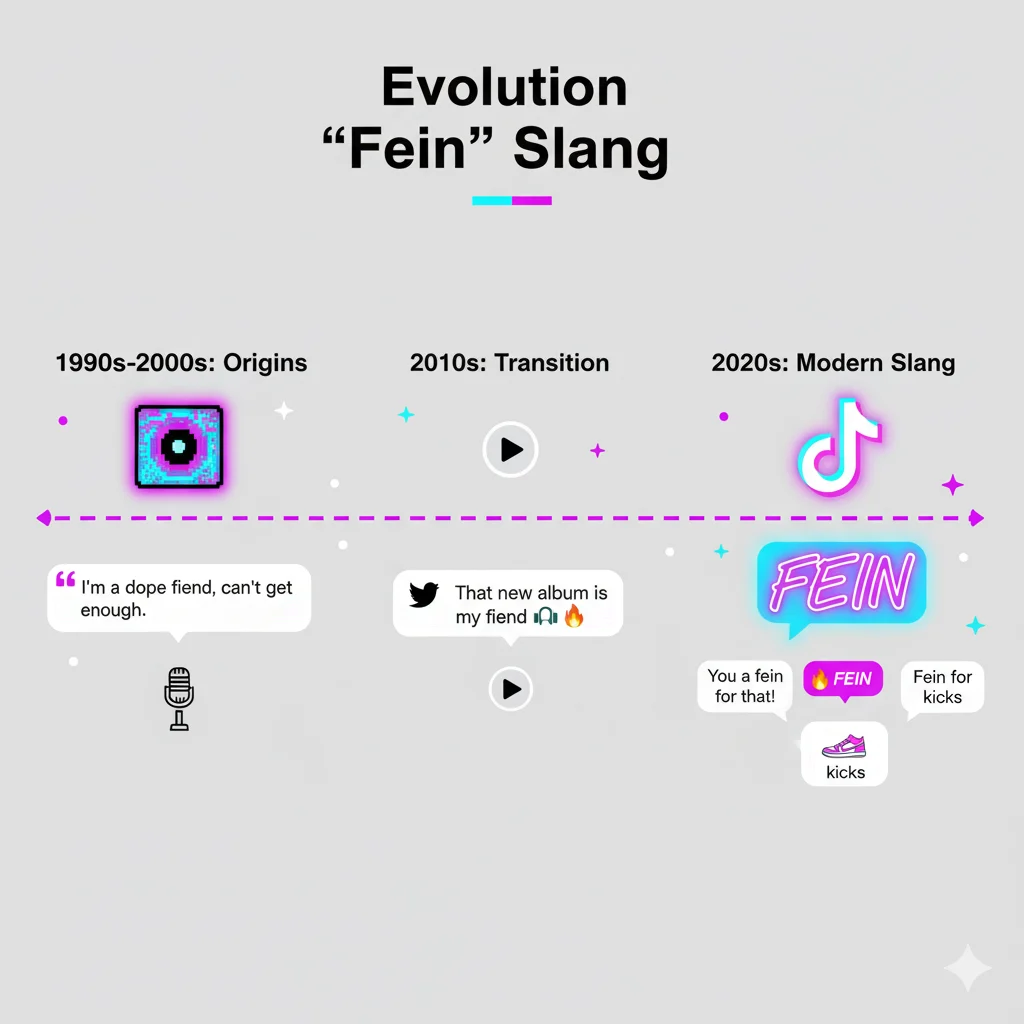
For example:
- Old usage: “He’s a fiend for chocolate.”
- Modern slang: “He’s a fein for chocolate, fr 🍫.”
That subtle spelling change made it feel more authentic, relatable, and conversational — exactly the kind of language that thrives online.
🎵 “Fein” in Music and Pop Culture
The word Fein blew up even more after being used in hip-hop and trap lyrics, where artists often use slang to reflect their lifestyle and obsessions.
Travis Scott’s 2023 track “FE!N” featuring Playboi Carti popularized it on a global level. The song’s repetitive hook — “Fein, fein, fein, fein…” — symbolized an intense, almost uncontrollable energy or drive for success, power, or fame.
After that, “fein” became part of the cultural conversation — not just as a term, but as a mood.
People started using it across captions, memes, and fan tweets, linking it to hustle, obsession, and identity.
⚡ The Modern Usage of “Fein”
Today, “fein” can be both playful and expressive, depending on tone.
Here’s how it’s used in everyday slang:
- Positive enthusiasm:
“I’m a Fein for late-night drives.” → passionate about something harmless. - Funny exaggeration:
“You a Fein for that new series 😭.” → teasing someone’s binge habits. - Criticism or shade:
“He a Fein for attention.” → suggesting obsession with clout.
It’s a word that adapts to context — funny, edgy, or even affectionate. The tone defines whether it’s lighthearted or judgmental.
🧠 Cultural Context: How “Fein” Reflects Real Language
Slang like Fein thrives because it captures authentic emotion and rhythm. It mirrors how people actually talk — fast, expressive, and informal.
This evolution of fiend → fein shows how AAVE and internet culture shape modern English, blending sound, identity, and humor.
Writers, linguists, and everyday users recognize that such shifts are not random — they’re a reflection of lived experience and linguistic creativity.
💡 When to Use (and Not Use) “Fein”
Because “fein” comes from cultural slang — especially AAVE — it’s best to use it respectfully and in the right context.
If you’re just quoting a meme, song, or tweet, that’s fine. But using it naturally means understanding the tone and setting.
✅ Do use it:
- Casually online or in texts
- In jokes or memes
- When describing your own enthusiasm
🚫 Don’t use it:
- To stereotype or mock cultural speech
- In professional or formal writing
Language grows through inclusion, not imitation — so use it with appreciation, not appropriation.
🗣️ “Fein” vs. “Fiend”: What’s the Difference?
Though “fein” and “fiend” come from the same root, they carry different vibes.
| Word | Tone | Example | Meaning |
|---|---|---|---|
| Fiend | Harsh / Negative | “He’s a fiend for drama.” | Feels extreme or unhealthy. |
| Fein | Playful / Casual | “He a fein for gaming.” | Feels fun or lighthearted. |
That softer tone is what made fein go viral. It transformed an old, heavy word into something modern and shareable — a perfect example of how language reinvents itself online.
💬 Real-Life “Fein” Examples
- “I’m a fein for Amazon Prime fr.”
- “She’s a fein for iced matcha 🍵.”
- “You a fein for likes, not life 😭.”
- “That boy a fein for attention frfr.”
The casual rhythm of these sentences shows how fein fits into daily talk — emotional, relatable, and always slightly exaggerated.
🎯 Why “Fein” Connects With Gen Z
Younger audiences love slang that feels personal and expressive. “Fein” does exactly that. It’s short, funny, and flexible.
Unlike older slang that fades quickly, fein has staying power because it ties emotion to obsession — a universal feeling across music, pop culture, and daily life.
It’s not just about meaning; it’s about tone and mood — sounding real, human, and unfiltered.
❓ FAQs About “Fein” Slang
1. What does “Fein” mean in slang?
It means someone who’s obsessed with or addicted to something — often in a playful or humorous way.
2. Is “Fein” negative?
Usually not. While “fiend” can sound harsh, “fein” is softer and often just jokingly used.
3. Where did “Fein” come from?
It evolved from the word fiend, popularized in AAVE and hip-hop culture, then spread through social media.
4. How do you use “Fein” in a sentence?
Example: “I’m a fein for iced coffee every morning.”
5. What does Travis Scott’s “FE!N” mean?
It expresses intensity and drive — being fully consumed by your passion or goal.
🔚 Conclusion
Slang like “Fein” shows how language evolves from real experiences and communities, not dictionaries.
It’s playful, expressive, and rooted in cultural authenticity — a word that feels alive.
By understanding where “fein” comes from and how it’s used, you’re not just learning a slang term — you’re connecting with how people express emotion, identity, and enthusiasm in 2025.
And that’s exactly the kind of authentic, experience-based understanding that makes modern language (and content) powerful.